Why Sophkos
DOC.ID 0x60 / COMPARATIVE BRIEF

Different starting point.
Different intelligence outcome.

Traditional AML, KYC, fraud and case-management platforms are often implemented as separate modules. Sophkos starts with one intelligence model across identity, ownership, OSINT, transactions, evidence and decisions.

§ 01 — Design dimensions
10 AXES OF COMPARISON

Where Sophkos approaches the problem differently.

Each row below identifies a design dimension where most platforms have inherited assumptions from earlier generations of financial-crime technology — and where Sophkos has made a different choice.

Design dimension Traditional pattern Sophkos approach
Core objectAlert, customer file or caseConnected intelligence graph
OnboardingDocument collection and risk ratingLive baseline for future monitoring
KYBStatic company recordTime-aware ownership and control topology
MonitoringRules and threshold queuesBehaviour, graph, typology and catastrophe-risk analytics
OSINTManual research or external enrichmentAI-assisted intelligence layer
Fraud and AMLOften separate teams and toolsUnified view of identity, behaviour and network risk
InvestigationsAlert disposition workflowEntity-centric intelligence workspace
ReportingCase export and narrative draftingDecision trail, evidence bundle and approval record
GovernanceAudit after the factVersioned rules, models, policies and controls
DeploymentLarge enterprise implementationAPI, SDK, platform, white-label and hybrid
§ 02 — Replacement is not the goal

Connect, enrich, operationalise.

Sophkos is not designed to replace every system on day one. It is designed to connect, enrich and operationalise financial intelligence where existing tools are fragmented.

Institutions can start with onboarding, KYB, OSINT, monitoring, investigations or reporting, then expand toward a unified intelligence operating model.

See deployment options
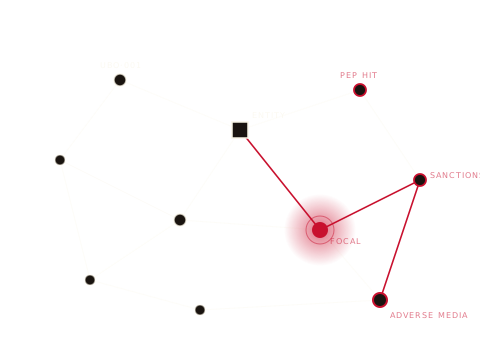
Connection between fragmented systems

Same problem.
Different infrastructure.

See how Sophkos compares against your current AML, KYC, fraud or case-management stack.

Compare with Legacy AML